
Magnesium Glycinate: The Mineral That Helps Sleep and Supercharges Muscle Recovery
Insights and explanations
Magnesium Glycinate FAQS
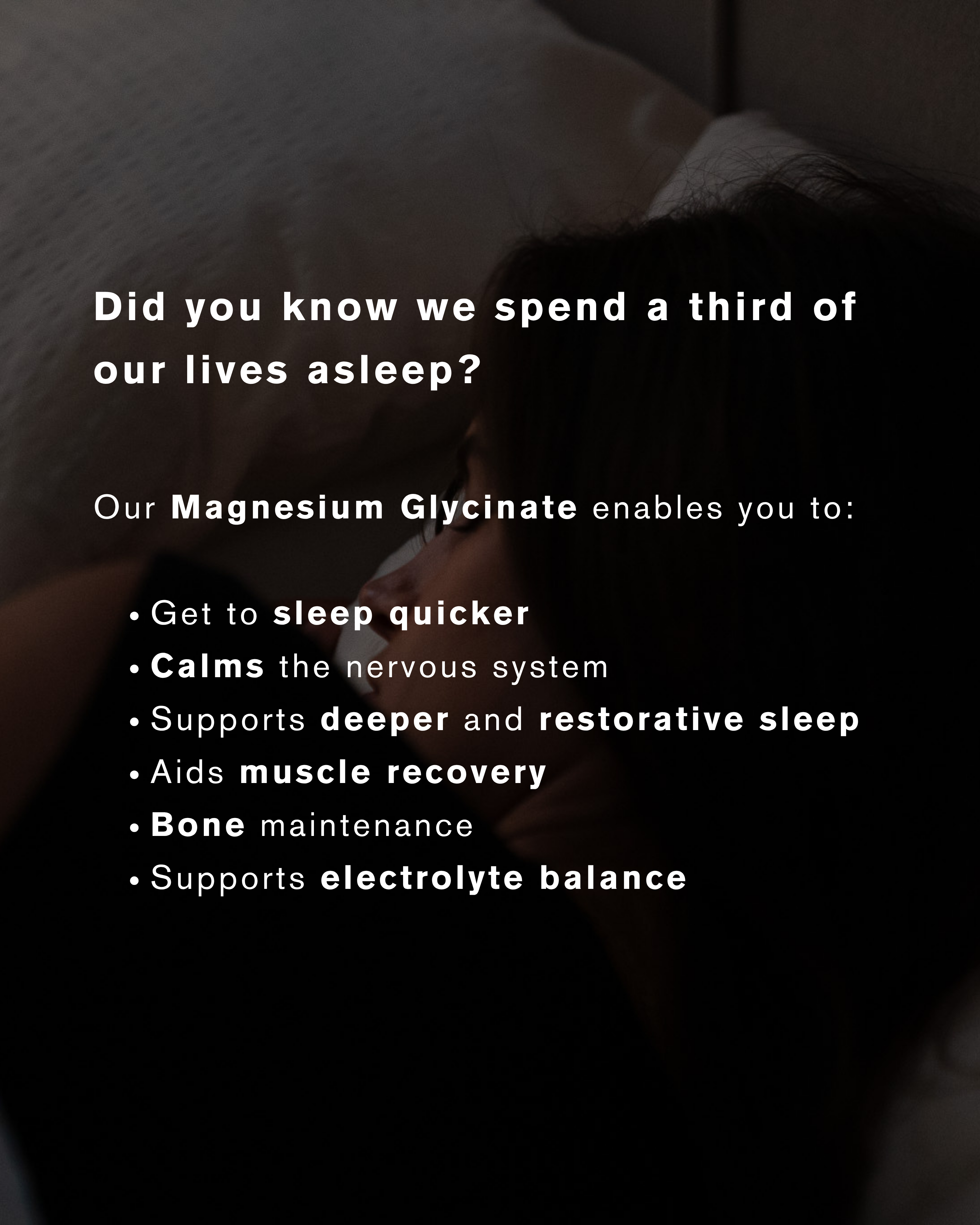
Magnesium glycinate can support sleep because magnesium is involved in several systems that help the body wind down at night. Magnesium plays a key role in regulating the nervous system, especially the signals that control stress, relaxation, and the transition into rest. It helps manage activity in the brain’s NMDA and GABA pathways, which influence how calm or alert you feel. When magnesium levels are steady, these pathways work more smoothly, making it easier for the body to relax.
This form of magnesium is also bound to glycine, an amino acid known for its calming effects. Glycine has been shown to support relaxation and help the body reach a steady, restful state, which is why magnesium glycinate is often preferred for evening use.
Because magnesium glycinate is highly absorbable, it helps the body restore its levels more effectively than harsher forms like magnesium oxide. Stable magnesium levels support muscle relaxation, steady nerve function, and a calmer nervous system — all of which contribute to a better environment for sleep.
Research shows that magnesium plays an important role in nerve regulation, muscle relaxation, and the body’s natural sleep processes.
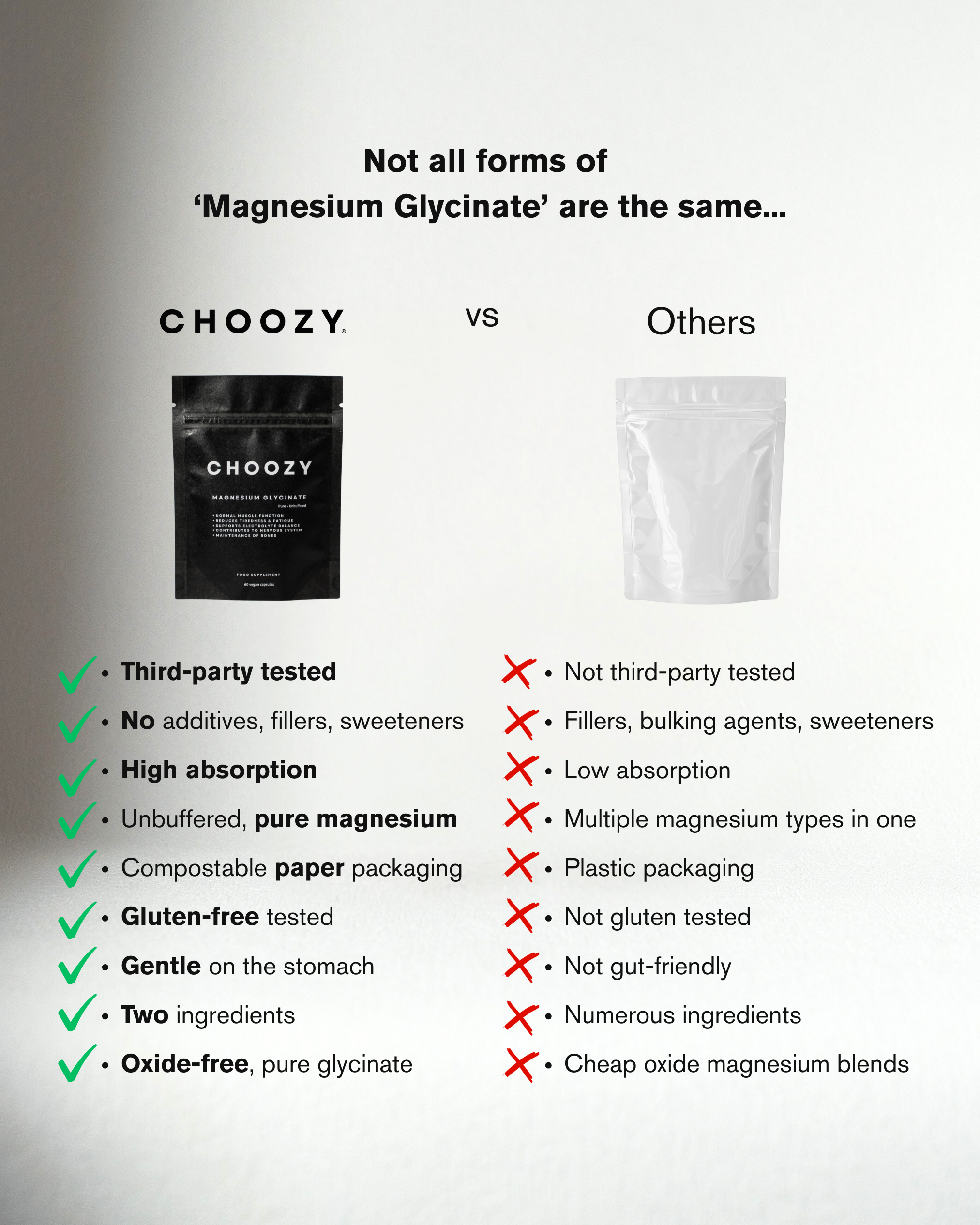
Magnesium glycinate is known for being one of the most gentle and easy-to-absorb forms of magnesium. It’s made by combining magnesium with the amino acid glycine, which helps your body take it in more effectively. Because of this pairing, magnesium glycinate is often better tolerated than other types and is less likely to cause stomach issues, which can happen with forms such as magnesium oxide or magnesium citrate.
Another key difference is how well your body uses it. Magnesium glycinate has higher bioavailability, meaning a greater amount is absorbed and put to work in your muscles, nerves, and overall system. This makes it a strong choice for people who want steady, reliable support for sleep, relaxation, recovery, and daily wellbeing.
Many other magnesium forms can pass through the digestive system quickly or act as laxatives. Magnesium glycinate is designed to be gentle, effective, and stable, which is why it’s widely recommended for daily use.
If you’re physically active or hit the gym regularly, magnesium glycinate can be a valuable addition to your recovery routine. Magnesium is essential for proper muscle function and energy production. During exercise, your muscles consume magnesium; afterward, magnesium helps relax muscle fibres and clear lactic acid. In fact, intense exercise can increase your magnesium requirements, as magnesium is redistributed to tissues and lost through sweat.
Failing to replenish it could lead to muscle fatigue or cramps. Taking magnesium glycinate can support faster recovery, reduced muscle soreness, and cramp prevention. A review found that magnesium supplementation reduced muscle soreness, improved exercise performance, and aided recovery in athletes and active individuals.
Magnesium also helps regulate calcium in muscle cells, too little magnesium can allow calcium to keep muscles contracted, leading to cramps or spasms.
By ensuring you have enough magnesium, you help your muscles relax normally. Magnesium glycinate is especially useful here because it’s well absorbed and less likely to cause an upset stomach even at higher doses needed for active people. Some sports nutrition experts suggest that athletes may benefit from about 10–20% more magnesium than sedentary people to account for what’s lost during strenuous activity.
In practical terms, magnesium glycinate can help with those post-workout muscle twinges or nighttime leg cramps. It aids in replenishing electrolytes and calming overactive nerves after heavy training. Some studies even indicate magnesium can amplify exercise performance when taken regularly; likely by supporting ATP (energy) production and muscle oxygen use.
Whether you’re a weightlifter, runner, or do any form of exercise, maintaining good magnesium levels means less soreness and quicker bounce-back, so you’re ready for your next exercise session.
Magnesium is involved in hundreds of processes in the body, including muscle relaxation, nervous system balance, energy production, and healthy sleep. Magnesium glycinate stands out because it is easy for the body to absorb and gentle on the stomach, which makes it one of the most effective options for daily use, especially for supporting sleep, recovery, and relaxation.
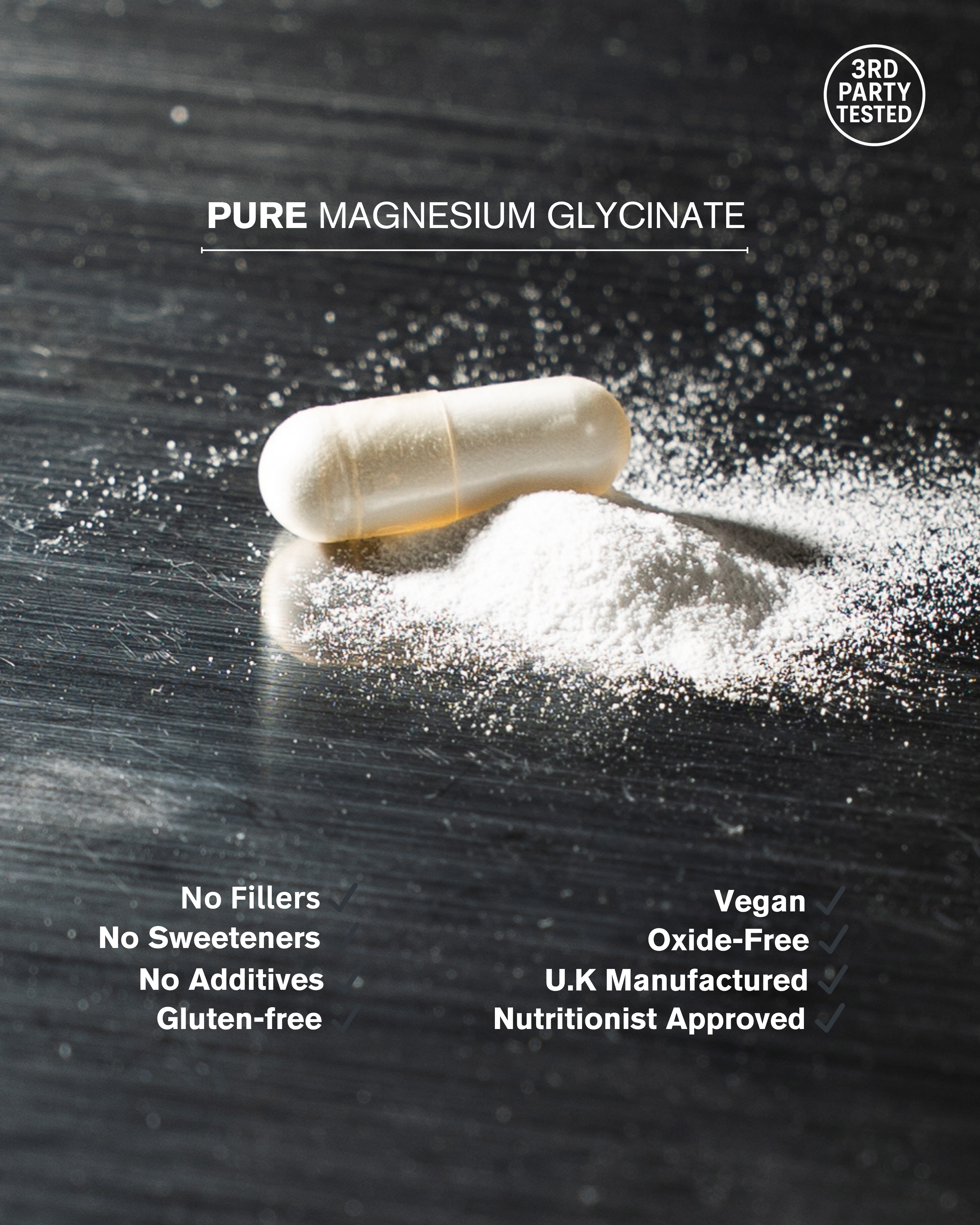
Magnesium glycinate is a chelated form, meaning magnesium is joined with the amino acid glycine. This structure helps the body absorb it more efficiently, giving you more usable magnesium without the digestive side effects that some other forms can cause.
Different forms of magnesium are used for different purposes because each form absorbs and behaves differently in the body. Research shows that organic forms of magnesium; like glycinate, citrate, lactate, and malate, are generally absorbed better than inorganic forms such as magnesium oxide.
Here’s how the most common forms compare, based on their known properties and how they are typically used in research and practice:
Magnesium Citrate: This form is well absorbed and is commonly used for general magnesium support. It also attracts water into the intestines, which is why it is often chosen for digestion-related benefits rather than sleep or muscle relaxation.
Magnesium Oxide: This form contains a high amount of elemental magnesium, but it is not absorbed as well as organic forms. Because it largely stays in the digestive tract, it is mainly used for occasional constipation rather than nervous system or relaxation support.
Magnesium Malate: Paired with malic acid, which is involved in the body’s energy-producing pathways. This form is often used during the daytime for supporting energy metabolism, rather than for evening relaxation or sleep.
Magnesium L-Threonate: Known for its ability to cross the blood–brain barrier more effectively than other forms. It is typically used in research focused on cognitive support. It contains less elemental magnesium per dose, so it is not usually selected for broader magnesium replenishment or muscle-related benefits.
Compared to these, magnesium glycinate is specifically valued for its calming properties because glycine is an amino acid known for supporting relaxation. Its gentle absorption profile also makes it one of the most supportive forms for sleep quality, muscle recovery, and nervous system balance, areas where other forms are not typically the primary choice.
Beyond sleep and muscles, magnesium glycinate supports a wide spectrum of health benefits. Magnesium is involved in hundreds of processes throughout the body, so getting enough can positively impact many areas of well-being.
Here are some key health benefits of magnesium:
Heart Health & Blood Pressure: Magnesium helps keep blood vessels relaxed and regulates blood pressure. Research has shown sufficient magnesium intake is associated with lower blood pressure and reduced risk of stroke and heart disease. It also contributes to maintaining normal heart rhythms, helping prevent irregular heartbeats.
Blood Sugar Control: Magnesium plays a role in insulin function and glucose metabolism. Studies show magnesium supplements can improve blood sugar levels and insulin sensitivity, which is beneficial for people with or at risk of type 2 diabetes. In fact, higher magnesium intake is linked to a lower risk of developing diabetes.
Bone Strength: About half the body’s magnesium is in our bones. Magnesium works with calcium and vitamin D to build and maintain strong bones. Adequate magnesium may improve bone density and has been linked to a lower risk of osteoporosis (especially in older adults).
Mental Health & Mood: Getting enough magnesium has calming effects on the nervous system, which can help with anxiety and stress relief. Many people report better overall mood stability when their magnesium intake is adequate.
Migraine and Headache Prevention: Magnesium deficiency is common in those with migraines. Supplements have been used to prevent migraines, and magnesium can reduce the frequency or severity of migraine headaches in some individuals.
Other Benefits: Magnesium has been noted to help reduce symptoms of PMS (premenstrual syndrome) such as cramps and irritability. It also aids digestive regularity (magnesium is often an ingredient in laxatives, though magnesium glycinate is not primarily a laxative like citrate). There’s even emerging research into magnesium’s role in brain health and relaxation, suggesting it might support cognitive function and resilience to stress.
Maintaining healthy magnesium levels helps contribute to better daily energy, balanced nerves, and long-term wellness.
Magnesium is naturally present in many foods. However, magnesium glycinate specifically is a supplement form, you won’t find magnesium already bound to glycine in foods. That said, a well-balanced diet can provide plenty of magnesium (the mineral itself), and your body will get glycine from protein-rich foods separately.
Excellent dietary sources of magnesium include:
Leafy Green Vegetables: Dark greens like spinach, Swiss chard, kale, and collard greens are magnesium-rich. Just one cup of cooked spinach, for example, provides a significant portion of the daily magnesium needs.
Nuts and Seeds: These are magnesium powerhouses. Almonds, cashews, peanuts, and especially pumpkin seeds and chia seeds contain high magnesium levels. Just a small handful of pumpkin seeds can give you about 150mg of magnesium.
Beans and Lentils: Legumes such as black beans, edamame, kidney beans, and chickpeas offer magnesium along with fiber and protein. For instance, a cup of cooked black beans has around 120 mg of magnesium.
Whole Grains: Unrefined grains like quinoa, brown rice, oats, barley, and whole wheat retain their magnesium (processing strips away magnesium-rich parts of grains).
Fruits like Bananas and Figs: Bananas are well-known for potassium, but they also provide magnesium (~30–40 mg in a medium banana). Dried figs and avocados are other fruits with notable magnesium content.
Fish:Certain fish, particularly halibut and mackerel, supply good amounts of magnesium, alongside heart-healthy omega-3 fats.
If you eat a variety of these foods, you may get close to the recommended magnesium intake (around 300–420 mg/day for most adults). However, many people still fall short, because modern diets often lack these whole foods. Additionally, soil depletion is a real issue; produce grown in mineral-depleted soil may have less magnesium than expected.
So, when is a supplement necessary? Here are a few scenarios:
Diet Gaps:If your diet doesn’t consistently include magnesium-rich foods (for instance, if you don’t eat many greens or nuts), a supplement can fill the gap. Many adults in Western diets don’t meet magnesium RDA from food alone.
Higher Needs: Certain life stages and conditions raise magnesium requirements. Pregnant or breastfeeding women need extra magnesium for the developing baby (pregnancy RDAs are a bit higher than normal). People who exercise, athletes or active people might require more due to magnesium loss in sweat. Also, during periods of high stress, your body may utilise more magnesium.
Absorption Issues: Some health conditions make it hard to absorb magnesium from food, such as inflammatory bowel disease (IBD), celiac disease and other medical conditions. Likewise, people on certain medications (like some diuretics or proton pump inhibitors) may lose more magnesium. In these cases, even a good diet might not be enough, and supplements are recommended to prevent deficiency.
Signs of Deficiency: If you experience symptoms like frequent muscle cramps, twitching eyelids, fatigue, or irregular heartbeat, these could be signs of low magnesium. A healthcare provider might suggest a supplement (often magnesium glycinate because it’s well-tolerated) to get your levels back up to normal.
Ever had an annoying eye twitch that won’t go away, or muscle spasms in your calves or elsewhere? These small involuntary muscle contractions can be bothersome, and they are often linked to magnesium deficiency. Magnesium is needed for proper nerve signaling and muscle relaxation, so when levels are low, nerves can misfire and muscles may contract involuntarily. In fact, magnesium deficiency is known to cause muscle twitches and cramps.
Eyelid twitching (that “jumping” feeling in your eyelid) is a classic example – while it can be caused by fatigue or stress, a lack of magnesium might be contributing, since magnesium helps calm the tiny nerve impulses that trigger muscle fibres in your eyelid.
Magnesium glycinate can be a real help in calming spasms and preventing them in the first place. If you don’t have enough magnesium, calcium can make muscles tense or twitchy. Restoring magnesium (through diet or supplements) allows muscles to relax normally and stops the random contractions.
People who start magnesium glycinate for other reasons often discover that their eye twitch or muscle cramps improve or disappear as a bonus. It’s commonly reported that magnesium supplements reduce occurrences of nighttime leg cramps, foot muscle spasms, or even the “muscle jumping” some feel after hard exercise. Clinically, magnesium is sometimes recommended for pregnant women who get leg cramps, or for individuals with chronic muscle tension. While results can vary, it’s a simple and low-risk intervention that often helps.
It’s important to manage other factors too, stress and fatigue can also cause twitches, so getting good sleep and managing stress will synergise with magnesium. But if muscle spasms are your issue, magnesium glycinate is a great choice: it’s effective at raising magnesium levels to relax muscles, and it won’t upset your stomach at the doses needed to see an effect. Over a few days to a couple of weeks of regular use, you should notice a reduction in those unsettling spasms or tics as your body’s neuromuscular system gets the magnesium it craves.
Yes. Magnesium glycinate is considered safe for both men and women when taken at recommended amounts. Magnesium is an essential mineral that the body needs every day, and research shows that both genders absorb and use magnesium glycinate in the same way. Because this form is gentle and well-tolerated, it is often recommended for people who want reliable support for muscle function, relaxation, and sleep without digestive discomfort.
The key factor is the amount taken. Men and women have different daily magnesium needs, but magnesium glycinate itself is safe and effective for both. The National Institutes of Health notes that magnesium from supplements is generally safe for healthy adults, and magnesium glycinate is one of the forms known for having fewer digestive side effects compared to others.
This information is for general educational purposes and is not medical advice. If you have health concerns or medical conditions, please speak with a qualified healthcare provider before using magnesium or any supplement.
One of the most gentle magnesium supplements in existence
Transform your sleep & muscle recovery now
| Variants | Quantity | Price | Total |
|---|---|---|---|
 3 PouchesBDL-MG60-PCH-03M
£54.99/ea
|
|
£54.99/ea | £0.00 |
|
2 PouchesBDL-MG2-001
£37.99/ea
|
|
£37.99/ea | £0.00 |
|
1 PouchCH-MG-001
£21.99/ea
|
|
£21.99/ea | £0.00 |
 £37.99/ea
|
|
£37.99/ea | £0.00 |
 £54.99/ea
|
|
£54.99/ea | £0.00 |
| 0 items |
0 items Product subtotal: £0.00 Tax included. Shipping calculated at checkout. |
||